Understanding Toner Cartridge Depots
What Is a Toner Cartridge Depot?
In South Africa, printing costs can rival the price of a decent braai spread. A toner cartridge depot is the middleman that keeps your printer alive without inflating your monthly expenses. It is a dedicated facility that stocks, refills, and distributes toner cartridges for homes and offices, often at prices that make retail stores seem unreasonable.
Depots also offer cartridge recycling, compatible brand alternatives, and bulk ordering for businesses. You can walk in with an empty cartridge and walk out with a refurbished one for a fraction of the cost. We have seen offices cut their printing expenses by half this way!
- Stocking original and compatible cartridges
- Refilling empty cartridges on site
- Providing delivery across South Africa
A toner cartridge depot connects manufacturers directly to end users, removing the retail markup that inflates printer costs.
The Role of Depots in Supply Chain Management
An empty toner cartridge stops an office faster than any software glitch. A toner cartridge depot exists to prevent that. It operates between manufacturers and their customers.
Manufacturers ship in bulk, while offices order weekly or monthly. The depot holds safety stock, forecasts demand around school terms and financial year ends, and coordinates couriers so a business in Polokwane gets the same service as a head office in Sandton. Day to day, staff manage four core functions:
- Inventory tracking across hundreds of models
- Return handling for empties and damaged units
- Demand reporting to manufacturers
- Local distribution scheduling
Reverse logistics matter just as much. At a typical toner cartridge depot, every returned cartridge is sorted, inspected, and either cleaned or retired. Depots monitor failure rates and feed that data to suppliers. Without that loop, a faulty batch could go unnoticed until printers jam across three provinces!
Key Services Offered by Modern Depots
Every toner cartridge depot offers more than a storage floor. The most valuable service is stock visibility. Clients see real-time levels for every model they use across multiple sites, which eliminates panic orders before month end. Then there is procurement assistance. Depots track contract pricing, bundle compatible supplies, and negotiate with manufacturers on behalf of smaller businesses, a task many offices lack time for.
A modern toner cartridge depot also handles disposal and trade-in programs. It can issue a certificate of recycling for audited companies. In my experience, clients forget how much data sits on a cartridge chip. A reputable site wipes that memory before reuse. Common services include:
- Emergency courier dispatch within major metros
- Stock level alerts for low-volume models
- Credit returns for defective units
- Bulk order consolidation across departments
Each task supports consistent printing. The depot becomes the silent partner your office never planned for.
Who Should Use a Toner Cartridge Depot?
Who actually needs a dedicated toner cartridge depot? The honest answer is any organisation where printing is a function, not a focus. South African businesses juggle loadshedding schedules, remote teams, and branch offices spread across provinces. A toner cartridge depot becomes essential when your procurement officer spends more time chasing stock than reconciling invoices.
These are the profiles that benefit most:
- Multi branch retailers that need consistent toner levels across every till and back office.
- Accounting firms that cannot afford downtime during month end.
- Schools and NGOs with tight budgets and mixed printer fleets.
The common thread is complexity. A single printer in a home office needs no toner cartridge depot. Once you manage several models, multiple sites, or strict compliance requirements, a dedicated partner becomes necessary. If your office has ever run out of toner on a deadline, you already know the frustration.
Benefits of Working with a Toner Cartridge Depot
Cost Savings on High-Volume Purchases
For South African businesses, printer consumables can quietly consume operational budgets. High-volume purchasing through a toner cartridge depot changes that reality. Wholesale pricing structures reward bulk orders with discounts that retail channels cannot match.
Consider a mid-sized Johannesburg firm. A single bulk order for 200 cartridges might reduce per-unit costs by 30% or more. That figure compounds across a fiscal year. Some depots offer tiered pricing models, so the more you commit, the steeper the savings.
– Negotiated rates based on annual volume commitments
– Reduced freight costs through consolidated shipments
– Access to surplus inventory at significant markdowns
Procurement managers who leverage a toner cartridge depot also free capital tied up in emergency purchases at full retail price. This transforms an unpredictable expense into a measured line item.
Eco-Friendly Recycling and Disposal Programs
A single discarded laser cartridge can take up to 450 years to break down in a landfill. That is a sobering thought for any Johannesburg office manager. Working with a toner cartridge depot eliminates that hidden environmental cost. Modern depots operate eco-friendly recycling and disposal programs that strip cartridges down to raw materials, refill them, or safely incinerate the residue. Nothing goes to a dump site.
Some programs include:
- Free collection bins for your office
- Secure data wiping on chips
- Compliance certificates for auditors
That compliance paperwork matters for companies pursuing ISO 14001. Your toner cartridge depot handles the entire chain, so you get sustainability without extra administrative weight.
Access to Bulk Pricing and Trade-In Deals
Bulk pricing through a toner cartridge depot delivers measurable procurement savings. Commit to a volume quota and the per-unit cost drops, compounding across a full year of printing.
Trade-in deals add another layer that few suppliers match. The depot takes your exhausted cartridges and converts their residual value into credit on your next order. That means older hardware becomes leverage instead of a disposal cost.
- Partial credit on each returned cartridge
- Volume thresholds that unlock deeper discounts
- One invoice for new stock and trade-in allowances
That combination smooths the budget cycle and removes the need to chase separate rebates.
Quality Assurance and Warranty Protection
When a cartridge fails halfway through a print run, the cost goes beyond the cartridge itself. You lose time, patience, and credibility with the client waiting on that document. A toner cartridge depot in South Africa understands this, which is why every unit is tested before it ships.
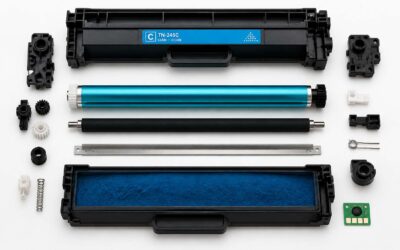
Drum integrity, seal condition, and print consistency are verified on each cartridge. This reduces the chance of receiving a defective replacement part. You install the cartridge, run your job, and move on.
The warranty covers what quality checks miss. If a product arrives damaged or underperforms, the depot replaces it without a dispute process.
For businesses that depend on steady output, this coverage matters:
- Damaged deliveries replaced at no extra cost
- Defective cartridges swapped for tested units
- Direct support when something fails
A toner cartridge depot that honors its warranty gives you confidence in every order.
Streamlined Inventory Management for Businesses
Running a business often means keeping track of dozens of consumables, and printer toner tends to vanish at the worst possible moment. A toner cartridge depot can turn that disorder into a manageable routine. Instead of chasing stock levels across departments, you establish a single point of reorder that keeps everything predictable.
Consider the smaller advantages, which I have found most clients overlook:
- Predictable delivery schedules that align with your usage patterns
- Consolidated invoices that simplify monthly accounting
- Storage of bulk orders at the depot until you actually need them
This arrangement frees your team from counting cartridges, and it spares your office the sight of shelves collapsing under surplus boxes. You simply know that when a printer starts blinking, the replacement is already on its way.
Convenient Delivery and Auto-Replenishment Options
The quiet horror of a depleted toner cartridge has haunted many an office. A toner cartridge depot offers a reprieve through convenient delivery schedules tailored to your needs. Auto-replenishment options track your consumption with precision, ensuring replacements arrive before the warning light flickers.
I have seen the relief in clients who no longer calculate supply levels! Instead, they receive:
- Scheduled dispatches aligned with their workflow
- Automatic reorders triggered by preset thresholds
- Flexible intervals for seasonal surges
This service removes the uncertainty from daily operations. The depot keeps your stock steady, so you can focus on pressing matters. No desperate calls, no empty shelves, just a consistent flow of cartridges.
Types of Toner Cartridges Available at Depots
OEM (Original Equipment Manufacturer) Cartridges
Original Equipment Manufacturer cartridges are built by the same hands that crafted the printer itself. This provenance matters. The drum, the chipset, and the toner formulation all arrive calibrated to exact tolerances. A toner cartridge depot that carries OEM stock gives South African buyers a pathway to consistent output, fewer interruptions, and lower service overhead.
OEM cartridges typically arrive in a few yield classes:
- Standard yield for modest workloads
- High yield for busier offices
- Ultra high yield for production environments
Each class changes the economics of your purchase. The upfront price at a toner cartridge depot may exceed generic alternatives, but the predictability of OEM parts often protects your equipment and your deadlines. For a business that cannot afford downtime, that tradeoff carries real weight.
Compatible and Remanufactured Alternatives
It is tempting to treat toner as a commodity. That instinct will cost you. Compatible cartridges are engineered from scratch by third-party manufacturers. Remanufactured cartridges begin as used OEM shells that undergo cleaning, component replacement, and toner refilling. Both give South African buyers a lower entry price than OEM stock, yet the distinction between them changes your exposure.
At a toner cartridge depot, the quality gap appears in print consistency. A remanufactured unit with a fresh drum roller and wiper blade can match OEM fidelity. A compatible unit with a poorly matched chipset may trigger firmware warnings or inaccurate toner readings. The disparity is not obvious from the packaging, and I have watched enough streaked output to know!
Ask your toner cartridge depot for specifics:
- Does it test each batch before shelving?
- Are aftermarket chips programmed for current firmware?
- What return rate does it publish for refurbished stock?
High-Yield vs. Standard-Yield Cartridges
When you step into a toner cartridge depot, the shelf holds two flavours of the same cartridge chemistry. High-yield units carry extra toner inside a heavier shell, while standard-yield cartridges suit lighter printing rhythms.
At a toner cartridge depot, the decision rarely comes down to sticker price alone. High-yield cartridges often cost double, yet they deliver three times the page count. Standard-yield units make sense for home offices and low-volume desks.
- High-yield: larger footprint, fewer swaps, lower cost per page
- Standard-yield: compact size, lower upfront cost, frequent replacements
I have watched South African accountants run numbers on this exact trade-off. The depot’s stock label lists yield ratings, and your own usage data gives the answer.
Specialty Toners for Laser and LED Printers
A toner cartridge depot hides its most valuable stock in the specialty aisle. These toners serve laser and LED printers with exact particle sizes. Chemical toner fuses at lower heat, which reduces wear on the fuser unit. MICR toner carries iron oxide for banking documents. Clear toner adds watermarks for security printing.
I have seen South African print buyers overlook these options. Yet the right specialty toner solves persistent streaking and ghosting. The depot’s inventory often includes:
- Magnetic toners for cheque encoding
- Low-melt toners for energy efficient devices
- Colour matching toners for photographic output
LED printers need a different particle charge than laser engines. A knowledgeable toner cartridge depot will match the toner to the machine’s light source, which I always confirm before purchase!
Color vs. Monochrome Cartridge Options
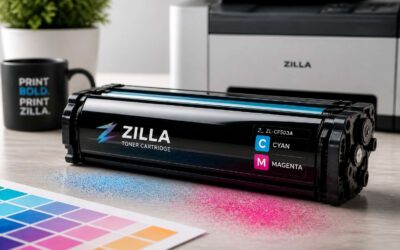
Most print buyers default to monochrome because they assume colour is prohibitively expensive. That assumption costs them more when cheap single-pass cartridges strip drum coatings. A toner cartridge depot stocks both color and monochrome variants with fundamentally different architectures. Monochrome cartridges rely on simpler toner hoppers and fewer moving parts. Colour cartridges demand four separate compartments maintaining precise internal pressure, which is why generic sets often fail in South African humidity.
The depot’s inventory typically includes:
- Monochrome cartridges for high-volume text documents
- CMYK colour sets for photographic and presentation output
- Individual colour cartridges for single-colour replacement
I notice South African print rooms buying full colour sets when only one toner runs dry. A well-run toner cartridge depot separates stock so you replace cyan without purchasing magenta. That granularity matters when your budget is measured in rands per page!
How to Choose the Right Toner Cartridge from a Depot
Matching Cartridges to Your Printer Model
In a toner cartridge depot stocked with identical-looking cartridges, the distinction between a working purchase and a costly mistake often comes down to a single piece of information: your printer’s exact model number. A cartridge that clicks into place but communicates poorly with the machine’s firmware can produce streaked pages or trigger persistent error codes.
Your approach should be methodical. The cartridge code printed on your old unit is the most reliable reference, but it must match the current product revision as well. Consider these steps when verifying compatibility at the toner cartridge depot:
- Locate the model number on your printer’s body or settings menu.
- Compare the depot’s listed cartridge code against your previous unit’s code.
- Ask whether the cartridge supports your printer’s latest firmware update.
This verification process takes minutes and spares you the frustration of a returned product. The right match is not about guessing; it is about precise specifications.
Understanding Page Yield and Printing Volume
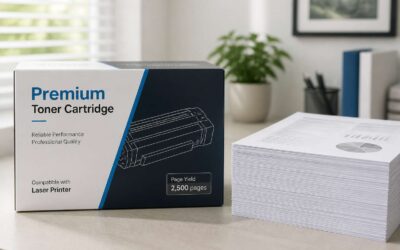
South African offices print an average of 10,000 pages per year, yet many shoppers treat cartridge selection as a game of chance. Page yield is the manufacturer’s optimistic estimate, not a contractual guarantee. Your printing volume, the actual number of pages you churn monthly, should determine your purchase. A cartridge rated for 2,500 pages will disappoint if you consistently print 4,000.
At a toner cartridge depot, the real cost is per page, not the price sticker. Consider these volume calculations:
- Your average monthly print count, including misfires.
- Standard coverage is 5% per page; dense graphics and dark text increase toner consumption.
- Shared printers drain cartridges faster than personal units.
When you understand your volume, you can bypass the tempting low price of standard units and choose a high-yield cartridge that endures the month. The toner cartridge depot offers these options, but it cannot guess your workload. Bring your usage data, not your optimism. That single number saves you money and prevents emergency runs.
Evaluating Print Quality and Resolution
Print quality eludes measurement in a single specification. A cartridge may promise 1,200 dots per inch, yet the toner’s particle geometry determines whether that resolution reaches the page. At a toner cartridge depot, the proof appears in the micro-contrast of a printed line, not in the marketing copy.
Evaluate a cartridge using test sheets before committing to a bulk order:
- Inspect small text at eight points.
- Examine solid black fields for streaking.
- Review grey gradients for banding.
These indicators reveal the cartridge’s behaviour under real workloads. Resolution also interacts with environment. Coastal South African humidity alters toner adhesion, while dry Highveld air increases static. The optimal cartridge balances these physical pressures. A dependable toner cartridge depot tests its stock under local conditions, so ask about environmental performance before purchase.
Checking Compatibility with Firmware Updates
Firmware updates change how printers interpret toner cartridges. A printer that worked flawlessly in January can reject a cartridge by March, not because the toner changed, but because the machine’s logic did. When you choose a cartridge from a toner cartridge depot, verify the stock aligns with your printer’s current firmware version.
Depots that track firmware releases offer a clear advantage. They know which batches work with which updates. Ask these questions at your toner cartridge depot:
– Does this cartridge support the latest firmware for my model?
– Have there been reported conflicts between this batch and recent updates?
– Will the depot replace stock if a firmware change renders it incompatible?
A reputable depot answers with specifics, not assurances. Choose one that treats firmware as part of the compatibility equation. The cost of a rejected cartridge goes beyond the price you paid. It includes downtime, reorders, and the frustration that follows.
Weighing Cost vs. Longevity
A cheap cartridge becomes expensive when it fails mid-week. Weighing cost against longevity requires looking beyond the shelf price. A low-cost unit that stops working after three weeks costs more in labour than a premium option that lasts three months. A toner cartridge depot should provide the numbers to prove the difference.
Compare price per page rather than unit price. That is the figure that matters. This calculation accounts for page yield and reveals true value. Lower-priced cartridges with shorter lifespans suit low-volume printers. High-volume offices should invest in cartridge lines with extended drum life.
- Longer page yield usually correlates with higher upfront cost.
- Integrated drum units reduce maintenance but raise replacement price.
- Warranty coverage varies between budget and premium cartridges.
I have seen offices choose the cheapest cartridge and reorder twice as often. A toner cartridge depot that documents longevity data lets you weigh these trade-offs with confidence.
Reading Depot Ratings and Customer Reviews
Most buyers only check prices when choosing from a toner cartridge depot. The better approach reads the experiences of others first. Ratings reveal patterns that product pages hide, such as delivery delays and poor packaging.
I look for reviews that mention specific printer models and page counts. Vague praise tells you little. Detailed feedback shows how a cartridge performs in real offices.
- Shipping speed and packaging quality
- How returns are handled
- Claims about yield versus actual pages
- Whether firmware updates broke compatibility
A toner cartridge depot earns trust through consistent feedback, not flashy discounts. South African buyers should weigh local reviews heavily, since shipping conditions differ. When the same complaint appears across many reviews, it carries weight.
Tips for Maximizing Your Depot Experience
Buying in Bulk to Unlock Discounts
South African businesses spend an estimated R2,400 per employee each year on printed documents. A toner cartridge depot rewards those who consolidate orders into single quarterly purchases. Rather than ordering piecemeal, map your company’s usage across printers and departments before contacting the depot.
Depot staff can unlock better per-unit rates when you commit to volume. Ask about staggered delivery options so stock arrives as you need it. This prevents cash flow strain while still qualifying for bulk thresholds.
- Combine all department orders into one request
- Request delivery schedules that align with your consumption
- Confirm which cartridge families carry the deepest discounts
Some depots offer tiered pricing based on annual volume. Negotiate a rolling agreement that locks in rates for repeat purchases. This approach proves especially valuable when the rand weakens against import currencies. A reliable toner cartridge depot makes the entire process predictable.
Participating in Cartridge Recycling Rewards
Every empty toner cartridge you toss is a missed discount. A toner cartridge depot with a recycling rewards program turns that waste into store credit, but only if you play by their rules. South African offices often skip this because nobody checks the scheme’s fine print.
Rewards differ between depots. Some issue credit per return, others apply a tiered discount at the end of your quarter. Confirm whether compatible cartridges qualify or only OEM units. Keep returns clean and undamaged, since a crushed cartridge fails inspection and earns nothing.
- Register each return under your business account
- Ask if rewards can be pooled across departments
- Coordinate returns with your next depot delivery
Track your returns the same way you track your orders. The toner cartridge depot will not remind you about unclaimed credits, so a simple spreadsheet prevents silent losses. Over time, those accumulated rewards reduce your net toner spend.
Scheduling Regular Maintenance and Refills
Most offices treat the depot as a passive warehouse, but the ones extracting genuine value treat it as a scheduled lifeline. A Johannesburg procurement manager told me their printer downtime dropped by a third once refill dates aligned with the fiscal calendar. That rhythm matters more than the price per cartridge.
The toner cartridge depot does more than deliver boxes. Regular maintenance visits include firmware updates, drum inspections, and a technician who notices a failing fuser before it becomes an emergency. Scheduling refills around actual print volume, rather than the date on a box, prevents both stockouts and the slow degradation of unused toner settling in the hopper. A depot that knows your machines will call before you do.
Leveraging Technical Support from Depot Experts
Your toner cartridge depot has a technical desk that most clients never call. Those experts track error codes across hundreds of machines, and they can identify a faulty drum or a misaligned roller from your description alone. I once described a faint horizontal stripe and the technician immediately suggested checking the transfer belt, not the cartridge. That saved me an afternoon of dismantling.
When you contact the toner cartridge depot, bring your machine’s serial number and firmware version. The technicians can pull up the exact service history for your unit. They also know which compatible cartridges perform well in specific printer models, which is why they are the first stop for unusual problems.
- Ask about print head cleaning routines before replacing parts
- Request a log of previous issues for your device
- Inquire about firmware updates that change toner usage
Depot experts appreciate concise questions. A clear description of the problem, the error code, and the page count lets them diagnose faster than you expect.
Taking Advantage of Price-Match Guarantees
Most shoppers assume the shelf price is the final price. At a toner cartridge depot, that assumption can quietly cost you. Price-match guarantees exist to counter that, yet surprisingly few customers invoke them. I once watched a depot rep match a competitor’s online quote within minutes, no paperwork, just a mobile verification.
Bring evidence when you visit. Screenshots or a written quote from another supplier work best. The depot staff will check the product code and the final delivered price, including shipping costs. The depot matches local South African retailers, so a foreign listing might not qualify. Your toner cartridge depot wants repeat business, and a matched price builds loyalty.
These habits help you maximise the policy:
- Compare prices on the same cartridge model, not a remanufactured equivalent.
- Ask about ongoing promotions before requesting a match.
- Time your request for month-end when stock levels shift.

0 Comments