Understanding Printer Toner Cartridges
What Is Toner vs Ink?
Most people assume the difference between toner and ink is trivial. It is not. The core question of what is printer toner cartridge technology boils down to physical state. Toner is a dry, electrostatically charged powder. Ink is a liquid dye or pigment. That single distinction changes how each medium behaves, how it costs, and how it lasts. In South Africa, where humidity and dust vary wildly by region, that difference matters.
Here is a practical breakdown:
- Toner requires heat to fuse onto paper fibers
- Ink absorbs directly into the page surface
- Toner resists smudging once set
- Ink can bleed on lower grade paper
So when someone asks whether a printer toner cartridge is the right purchase, they are really asking about output demands. High volume, crisp text, and archival stability point to toner. Occasional colour photos favour ink.
How Toner Cartridges Work
Watch a laser printer and you will see static electricity at work, but the real question is printer toner cartridge physics. A drum holds a charge. Laser light neutralizes points, leaving an invisible pattern. Toner, a fine powder of plastic and pigment, clings to those charged areas. A fuser unit heats and presses, melting the powder permanently into the page. This happens in milliseconds!
The process follows a sequence:
- Charge the drum with a corona wire.
- Laser writes the image by neutralizing the charge.
- Toner sticks to the remaining charge.
- Transfer roller pulls toner onto the paper.
- Fuser melts and fuses it.
That melt explains why printed pages survive Gauteng hums without smudging. So when you ask is printer toner cartridge worth the cost, you are paying for precise, dirty engineering. The powder is caustic, messy, and oddly expensive, yet it produces text that outlasts your patience.
Key Components of a Toner Cartridge
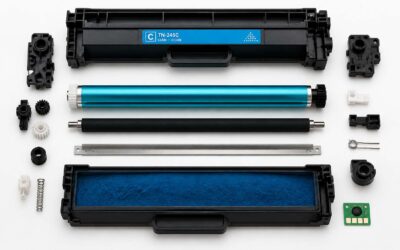
A single toner cartridge contains dozens of components, each with a specific job. The hopper stores the powdered toner. The developer roller meters it. The doctor blade scrapes off excess. A wiper blade cleans the drum after each rotation. These parts work under constant pressure.
When you ask is printer toner cartridge worth the cost, you are paying for this precision. The magnetic roller charges the powder. The toner, a fusion of resin and pigment, waits for the laser’s command. Each component degrades at a different rate:
– The drum may last 15,000 pages.
– The wiper blade gives out at 8,000.
– The doctor blade loses its edge around 12,000.
That is why remanufactured units often fail. They replace the worn parts but ignore the subtle tolerances. That is the real reason new cartridges cost what they do.
Signs You Need a Replacement
Faded output arrives without warning. Pale streaks across a page signal the cartridge’s internal wear. In my years servicing printers, three markers consistently predict imminent failure:
- Repeating vertical lines that survive a drum clean.
- Grey background fog on blank pages.
- Consistently low yield despite resets.
These symptoms indicate worn rollers or a damaged wiper, not empty toner. The hidden cost is printer toner cartridge maintenance. Delaying replacement risks scratching the imaging drum, turning a simple swap into a costly repair. A new cartridge resolves the issue cleanly, preserving print quality and the machine.
Types of Toner Cartridges and Compatibility
Original Equipment Manufacturer Cartridges
The most overlooked part of any printer is the cartridge. OEM cartridges come straight from the brand that built your machine. They align with the firmware, and the chip authenticates itself before printing. This is printer toner cartridge compatibility. Match the exact model number on your device, not the series name. One mismatch stops the printer.
OEM units carry the brand’s warranty. A defective drum gets replaced without argument. The tradeoff is price. Original cartridges cost more but fail less often.
That premium buys you real value!
- Toner matched to your fuser temperature.
- Sealed packaging that keeps moisture away from powder.
- A shell designed for repeated paper friction.
Does cartridge weight matter? OEM shells mirror the original frame, so they slide in without force.
Compatible and Remanufactured Cartridges
Compatible cartridges come from third-party manufacturers using new parts. Remanufactured units start as used OEM shells, which are disassembled, cleaned, and refilled. Both undercut OEM pricing, but their performance varies widely across South African suppliers. The key is printer toner cartridge authentication. Some chips fail to sync with firmware updates, causing error messages.
What should you inspect? A list helps:
- Seal integrity on the outlet port
- Drum surface for scratches or residue
- Wiper blade condition
I have seen remanufactured cartridges leak toner after a month of light use. Compatible ones often work fine if the factory invests in proper tooling. Ask for a warranty that covers your printhead, and test one cartridge before committing to a dozen.
High-Yield vs Standard-Yield Toner
Choosing between a high-yield and a standard-yield cartridge comes down to numbers. The real question is printer toner cartridge compatibility with your specific device, not just the sticker price. High-yield versions hold more toner and claim a larger page count, but they also demand a heavier upfront investment. Standard-yield cartridges cost less initially yet typically increase your cost per page over time.
Consider what your printing habits actually look like. If you print sporadically, a standard yield may expire before you finish it. If you run a busy office, the high-yield option reduces replacement frequency and downtime.
Before you decide, check these factors:
- Printer model and supported cartridge codes
- Firmware version and whether the chip is recognised
- Physical dimensions, some high-yield cartridges are bulkier
- Print volume per week and storage conditions
South African suppliers often price high-yield cartridges aggressively, but only if the chip matches your printer’s regional settings. That is where knowing what is printer toner cartridge inside your machine becomes essential. A mismatched chip triggers error messages, and the page yield becomes irrelevant when the printer refuses to function.
Checking Printer Compatibility
Not every toner cartridge is built the same. Some printers use an all-in-one unit where toner and photoconductor drum are fused into a single replaceable block. Others keep them separate, so you swap only the toner and change the drum on its own schedule. This affects upfront cost, maintenance routine, and how often the printer stops.
Compatibility is where most failures happen. A cartridge can physically fit yet still refuse to work if the chip does not match your printer’s firmware or regional settings. Knowing what is printer toner cartridge your machine expects is the first step. South African printers often require a specific cartridge code, so verify the model number before you pay.
- Match the cartridge code to your printer manual.
- Check the chip version against your firmware.
- Confirm whether the drum is included or separate.
- Test the physical fit in the toner compartment.
Understanding what is printer toner cartridge inside your device, and which type it uses, saves you from wasted purchases.
Factors to Consider When Buying Toner
Page Yield and Printing Volume
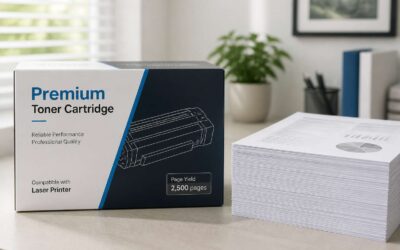
I rarely count sheets before buying toner, and most buyers don’t either. Ask what is printer toner cartridge meant to deliver before you buy. A cartridge that advertises 2,500 pages sounds generous, but printing 1,000 sheets a month means replacing it in ten weeks. The true measure is page yield against your actual workload.
I always tell clients to check their monthly print count. Check your printer driver or count the reams you use. That number tells you whether a low or high yield cartridge suits you. Then look at the yield rating, not the price tag.
Consider these questions:
- How many pages do you print on a busy week?
- Does the page yield cover your peak demand without hoarding?
- What is the cost per page in rands across different brands?
That calculation reveals what is printer toner cartridge designed to accomplish, and it prevents waste and emergency store runs!
Print Quality and Resolution
Print quality often decides whether a cartridge earns its place in your office. When you ask what is printer toner cartridge resolution really telling you, look beyond the DPI number. A 600 DPI rating may suffice for internal memos, but client-facing brochures demand finer detail. Toner particle size, fusing temperature, and drum precision all affect sharpness.
Consider these aspects before buying:
- Text crispness at small font sizes
- Grey scale gradient smoothness
- Resistance to smudging on standard A4 paper
I once watched a client approve a cheaper cartridge only to reprint an entire tender document. The cost per page looked good, but the faded halftones ruined the presentation. The real measure of what is printer toner cartridge quality means is whether your documents represent your work honestly. That principle guides every purchase I recommend to South African businesses, from a sole proprietor in Cape Town to a procurement team in Johannesburg.
Cost Per Page Analysis
Cost per page analysis reveals what you truly pay for every printed sheet. The shelf price of a cartridge tells you little about what is printer toner cartridge economics in practice. Divide the cartridge price by its page yield, then add paper and electricity costs. That number often surprises buyers who focused only on the upfront rand amount.
A high yield cartridge can cost double but last three times longer. The per page cost drops noticeably. Yet some procurement teams ignore this math. They choose the cheapest toner, then absorb service calls and reprints later. I have seen this pattern repeat across South African offices.
- Compare the official page yield against your actual monthly print volume
- Track whether the stated yield matches real output on your specific paper type
These variables shift the final figure more than the sticker price ever does. Ask what is printer toner cartridge waste costing your budget. The answer sits in the per page calculation, not the box price.
Brand Reliability and Warranty
Brand reliability and warranty coverage determine whether a cheap cartridge becomes a bargain or a burden. A flimsy cartridge from an unknown brand can leak powder into the printer mechanism. That repair bill wipes out any savings from the low shelf price.
South African offices face challenges with power surges and dust. Reputable brands test cartridges against these conditions. They offer warranties that cover the cartridge and damage to the printer itself.
What is printer toner cartridge reliability worth in rand terms? A single failed cartridge can idle an entire department for a morning. And what is printer toner cartridge warranty actually covering? Read the fine print!
When evaluating warranty, look for:
- Coverage length and what it includes
- Whether printer damage is covered
- The claims process and turnaround time
The cheapest option never offers this level of protection.
Storage and Shelf Life
When you ask whether is printer toner cartridge worth buying in bulk, the answer depends on storage. Toner is a fine powder suspended in resin. Heat and humidity cause the most damage. A cartridge left in a sunny storeroom can clump, yielding streaky prints and wasted cost.
Consider these storage guidelines:
- Keep cartridges sealed until installation.
- Store at 10 to 30 degrees Celsius.
- Avoid dust and temperature swings.
Most manufacturers rate shelf life at two to three years from production. That date on the box matters. A cartridge past its prime still works, but the toner hardens and loses its charge. The question of is printer toner cartridge reliability intersects with storage because age affects powder flow. For South African offices, load shedding causes temperature swings that accelerate moisture absorption. Think about that before stockpiling.
Maximizing Toner Efficiency
Tips to Reduce Toner Usage
In the dim glow of an office lamp, the printer hums its slow warning. The question of what is printer toner cartridge often surfaces only when the ink runs thin, but efficiency begins long before that. I have found that adjusting print density to a lighter setting stretches each cartridge by a significant margin. Draft mode serves well for internal documents.
Consider these practices:
- Select fonts such as Garamond or Times New Roman, which consume less toner.
- Print only the pages you need.
- Clean the drum gently to avoid waste.
Every grain saved reduces the frequency of replacement. The cartridge holds a finite allotment, and treating it with deliberate care yields quiet rewards.
Adjusting Printer Settings for Economy
Most users never touch their printer’s default settings. I have seen offices resign themselves to frequent replacements when a simple calibration would have doubled cartridge life. Adjusting resolution down for internal drafts reduces particle output without sacrificing legibility on screen or paper.
Some drivers include an economy mode that alters toner distribution across the page. For South African businesses, this translates to fewer procurement cycles and lower operational costs. I have witnessed printers produce acceptable document quality at half the toner consumption. The settings menu is the first place to look when the question of what is printer toner cartridge efficiency arises. Small changes compound into substantial savings.
Proper Handling and Storage
Toner cartridges are more than mechanical components. Their internal powder responds to how you treat them before installation. Understanding what is printer toner cartridge behaviour outside the machine matters as much as the settings you adjust.
South African heat and high humidity test toner cohesion. A cartridge left near a window develops clumps. Shaking a new cartridge redistributes the powder while preserving the seal around the drum. The way you handle a cartridge changes how it performs.
- Keep cartridges in their foil wrapping until installation
- Store them away from direct sunlight and air conditioners
- Handle by the sides, never the drum surface or chip contacts
A scratched drum or a broken seal forces the printer to use more toner to achieve the same density. Regular cleaning of the cartridge area prevents debris from interfering. This is the physical side of what is printer toner cartridge efficiency, and it directly affects your running costs.
Extending Cartridge Life
Most people only consider what is printer toner cartridge output when pages start looking faint. By then, the inefficiency has already cost you. In South Africa’s variable climate and economy, extending cartridge life directly affects your bottom line.
Consider how the printer distributes workload. Short, frequent jobs force the drum to rotate and waste toner in warm-up cycles. Batch similar tasks into a single session. Switch the machine off properly instead of pulling the plug, which leaves the imaging unit exposed mid-cycle.
Use the printer’s built-in maintenance routine to run a cleaning page when streaks appear. This clears residue without sacrificing toner. A cartridge that completes its full page yield is one you never have to replace prematurely. That is what is printer toner cartridge stewardship should look like.
Environmental Impact and Recycling Options
Toner Cartridge Waste Statistics
One hundred million cartridges are discarded every year, with the vast majority ending up in landfills or being incinerated. The scale of this waste is a direct consequence of the consumer mindset that views a printer toner cartridge as a disposable commodity. In South Africa, where recycling infrastructure is still developing, the default fate for most cartridges is the dump, where their plastic and metal components will take centuries to decompose.
The materials inside a spent cartridge are anything but inert. Residual toner powder, often containing carbon black and trace metals, can leach into soil and groundwater. This is a silent, cumulative impact that most office managers never consider when they toss an empty cartridge into the bin. The choice of what to do with a spent unit is an ecological decision, not just a logistical afterthought.
There is a hierarchy of responsibility that consumers can follow regarding this waste stream.
– Reuse: Refurbishing the original cartridge shell, which saves the most resources.
– Recycling: Breaking down the cartridge into its component materials for new manufacturing.
– Programmes: Manufacturer take-back schemes, which are increasingly available in major metros.
– Disposal: The least desirable option, where all environmental costs are externalised.
The remanufacturing industry offers a partial solution here. A professionally remanufactured cartridge can perform to the same standard as a new one, but it reduces the demand for virgin plastic and energy-intensive production. Yet, the industry struggles with a credibility gap, as cheap, poorly refurbished units flood the market. This makes the decision complex, but the alternative, adding to the millions of immortal cartridge husks, is hard to justify. The pressing question is printer toner cartridge ownership, which entails a responsibility that extends far beyond the moment of installation.
Recycling Programs and Drop-Offs
When you ask what is printer toner cartridge waste doing to the environment, the answer depends on your disposal choice. Recycling programmes and drop off points are expanding across South Africa. You can find certified collection bins at office supply retailers, electronics stores, and some municipal depots.
The process is simple. Seal the spent cartridge in its original bag. Hand it to a programme that partners with local recyclers. Many schemes offer collection for businesses with volume.
- Check with the manufacturer for a free return label.
- Ask your stationery supplier about in store drop boxes.
- Search online for e waste recyclers near you.
Each drop off keeps a unit out of the landfill. That is the real measure of what is printer toner cartridge stewardship means in practice.
Refilling vs Recycling
Every empty shell in your desk drawer poses a question: what is printer toner cartridge waste really worth when the powder runs dry? Refilling keeps the plastic body alive, but it invites a relationship with third party toner that may cling, clump, or simply refuse to cooperate. Recycling, by contrast, pulverises the whole unit into something else entirely. South African offices often choose refill for cost reasons, then discover that the process demands clean hands, steady nerves, and gravity. Recycling demands none of that.
Here is the practical split:
- Refilling suits teams that print heavily and tolerate quality variance.
- Recycling suits anyone who wants the cartridge gone without ceremony.
Neither path is glorious. But the choice defines what is printer toner cartridge stewardship means in a country where landfill space is growing scarcer by the year.
Eco-Friendly Cartridge Alternatives
South Africa buries nearly a million spent cartridges yearly. To ask what is printer toner cartridge impact on that soil is to face a chemical residue. The drum coating, the polymer shell, the residual charge. None of it dissolves.
Recycling options exist, though. Some programs strip, shred, then reform the plastic into paving blocks. Eco friendly alternatives include:
- Returnable cartridge schemes where the manufacturer owns the shell.
- Toner refill stations using soybean based powders.
These paths keep the original plastic in economic circulation. Still, the process demands a steady hand and a tolerance for imperfection. For South African offices, the choice remains stark.
Troubleshooting Common Toner Cartridge Issues
Poor Print Quality Fixes
When streaks mar your page, the first suspicion falls on the drum. Yet the true source often hides in the charge roller or the wiper blade. Before you condemn the unit, ask this: is printer toner cartridge simply misaligned? Gentle reseating resolves many anomalies.
The next step involves inspecting the transfer belt and fuser settings. High humidity in coastal cities can alter toner adhesion. Use this sequence:
- Remove the cartridge and rock it gently to redistribute powder.
- Wipe the drum with a clean, lint free cloth.
- Reinstall and run a cleaning cycle.
- Replace if the defect persists.
Each step costs nothing, but saves you the expense of a new unit. The harsh South African sunlight and heat can degrade toner over time, so store spares in a cool drawer, not a windowsill.
Low Toner Warnings and Resets
Every low toner warning deserves a moment of skepticism. The sensor often flags a problem before the cartridge truly starves. A gentle shake can redistribute the powder and resurrect a fading page. If the warning persists, the chip may simply need a reset. Many printers allow this through the control panel, while others require a specific button sequence.
The question is printer toner cartridge status reliable? Not always. Some chips track page counts rather than actual toner levels, so a fresh cartridge can trigger a false alarm. Resetting the chip clears the error without wasting a gram of powder.
- Remove the cartridge and inspect the chip for debris.
- Reinstall it firmly until the latch clicks.
- Power cycle the printer to clear the error log.
That sequence resolves most false warnings. If the alarm returns, the chip may have failed, and knowing when to concede is printer toner cartridge wisdom earned through trial.
Cleaning the Drum and Rollers
A smudged page often points to a dirty drum or worn rollers. Before replacing anything, try a simple cleaning. You may wonder what is printer toner cartridge cleaning really involves. A soft, lint free cloth works wonders. Open the printer, release the cartridge, and find the shiny green drum. Wipe it gently, rotating the drum. Never touch the drum with your fingers. I cannot stress that enough!
For rollers, use a cotton swab with isopropyl alcohol. Roll them slowly to remove residue. Let everything air dry for ten minutes. This quick routine solves many grey streaks. Follow these steps:
- Unplug the printer and remove the cartridge.
- Clean the drum and rollers as described.
- Reinstall the cartridge firmly.
- Run a test page to check the result.
If streaks remain, the drum may be damaged. Replacement is the honest answer.
When to Replace the Drum Unit
Laser printer drum units rarely survive the third full toner cycle. The crucial distinction is understanding what your is printer toner cartridge actually contributes versus the drum. Persistent faded bands or repeating dark spots often mean the photoconductor has lost its charge.
Watch for these telltale failures before committing to a replacement unit:
- Repeating horizontal bands or lines.
- Faded areas after a full cleaning cycle.
- Background grayness on blank sections.
If a test page shows a ghost image or a repeating imperfection every few centimetres, the drum surface is scored. The organic photoconductor layer degrades through friction and light exposure. Many modern cartridges integrate the drum directly into the toner housing, which simplifies the upgrade path. Recognising that finite lifespan saves wasted effort and downtime in any busy South African office.

0 Comments