Understanding Toner Cartridge Basics
How Laser Printing Technology Works
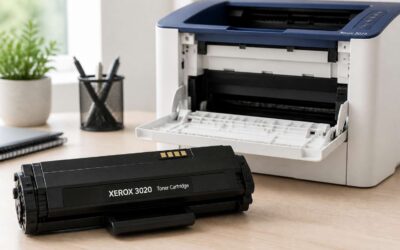
The toner cartridge is a precise mechanism, yet most users never see past its plastic shell. The drum unit, the fuser assembly, and the fine powder called toner define laser printing. Understanding these basics can save you from costly errors.
Laser printing begins when a charged drum is written on by a laser, creating an invisible pattern. Toner particles cling to that pattern, then transfer to paper. Finally, heat fuses the toner into permanent text. It sounds straightforward, but the engineering is exquisite. Let me walk you through the main parts.
- The photoreceptor drum, which holds the electrostatic image.
- The toner hopper, which stores the fine pigment.
Toner cartridges for these systems come in various forms, from standard to high yield. Each affects print volume and cost per page!
Anatomy of a Toner Cartridge
A single toner cartridge for a busy South African office can hold enough powder to print thousands of pages. Most people see only the plastic shell. I’ve pulled apart enough units to know the interior deserves respect.
The toner hopper stores the pigment. The drum transfers it to paper. Yet other components matter just as much:
- The wiper blade clears excess toner after every rotation.
- The waste toner compartment traps stray particles, keeping prints clean.
- The chip tracks page counts and signals when stock runs low.
Cartridges vary by yield. Standard toner cartridges for smaller jobs hold less powder. High yield versions use a larger hopper. You pay more upfront, but the cost per page drops. That matters when you print daily!
Different Types of Toner Cartridges Explained
One wrong cartridge choice can cost more than money; it wastes hours of operator downtime. In South Africa, offices face three basic categories when selecting toner cartridges for their printers.
- OEM cartridges, made by the original manufacturer, deliver consistent quality.
- Compatible cartridges, produced by third parties, offer lower prices but variable output.
- Remanufactured cartridges, rebuilt from used units, cut waste and cost.
Yield adds another layer. Standard cartridges satisfy light home use. High yield versions triple the page count, which suits busy workplaces. High volume jobs require less frequent swaps. The higher price per unit balances against a lower cost per page, so the arithmetic favors the high yield unit when you print daily!
Selecting the Ideal Cartridge for Your Printer
Verifying Printer Compatibility
One of the most common reasons cartridges get returned is a simple compatibility error, not a manufacturing defect. The cartridge looks identical to the correct one, but the printer refuses to cooperate. This happens when buyers focus on the brand name and ignore the precise model number.
Verifying compatibility requires more than a glance. Check your printer’s manual, the manufacturer’s website, and the cartridge’s markings. Some printers need firmware updates before they accept newer toner cartridges for their specific model line. Others use regional coding.
- Exact model number on the old cartridge
- Printer firmware version
- Local supplier’s return policy
South African buyers also contend with voltage variations and dust. These affect printer performance, but they do not change the cartridge model you need. The right toner cartridges for your machine have the correct chip, the right yield, and a seal that matches the drum unit. Match the model number and move on.
Interpreting Page Yield Specifications
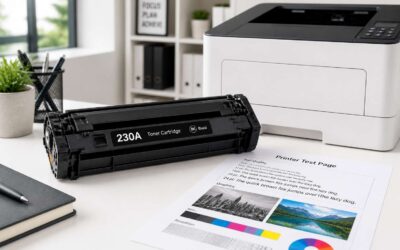
Page yield figures are precise yet deceptive. Manufacturers calculate them at 5% coverage per page under ISO/IEC 19798. A standard letter of text comes close to that threshold, but a spreadsheet with dense borders or a presentation with background gradients will drain toner twice as fast. When selecting the ideal cartridge for your printer, translate yield into your actual workflow.
The criteria that skew yield are often overlooked:
- Toner density selected in the driver
- Paper absorbency and coating
- Ambient humidity in coastal South African cities
These variables determine whether a 3,000-page cartridge lasts a month or a quarter. For high-volume operations, high-yield toner cartridges for laser printers deliver a lower cost per page. For sporadic home use, standard yield is the safer choice. Choosing toner cartridges for real usage habits, not for the number printed on the box, remains the only reliable selection method.
Evaluating OEM, Compatible, and Refurbished Options
Your printer does not care about brand loyalty, but your wallet certainly does. I have watched offices buy OEM cartridges for years, then wonder why their printing budget keeps vanishing. Aftermarket alternatives deserve closer scrutiny.
Consider what you are actually purchasing:
- OEM cartridges for laser printers guarantee consistent output and full manufacturer support, but you pay a premium for that assurance.
- Compatible toner cartridges for older machines deliver around 80% of the quality at half the price, with occasional colour shifts.
- Refurbished units vary wildly. A professionally remanufactured cartridge can match OEM standards, while a careless refill will scatter toner across your desk.
Choosing toner cartridges for your daily workflow comes down to risk tolerance. A law firm printing contracts cannot afford surprises. A home user printing school projects can.
Choosing Between Standard and High-Capacity Cartridges
Nobody dreams about picking a cartridge size, yet the choice determines how often the printer stops for a new one. I have seen offices buy standard cartridges for years, ignoring the larger option. Standard units suit desks where printing happens in small bursts. High-capacity toner cartridges for sustained workloads hold more toner and last longer between swaps. The upfront price difference looks obvious, but the real cost hides in the replacement frequency.
Here is what separates them in practice:
- Standard cartridges for modest workloads, with a smaller physical footprint.
- High-capacity units at a higher upfront price, with more toner per unit.
- Heavy users often prefer the larger cartridge to cut replacement stops.
The printer does not care which one you slide in. The accounting department will notice the difference on the next invoice!
Maximizing Performance and Lifespan
Storage Best Practices for Unused Cartridges
Most toner cartridges for laser printers arrive sealed in foil and plastic. That barrier keeps light and moisture away from the drum, so leave it intact until the moment of installation. Opening the box early to peek inside will damage the drum’s light-sensitive surface.
Storage conditions matter more than most people think. A cool, dry cupboard away from direct sunlight is ideal. South African summers can push temperatures past 30°C, and garages or kitchens often become humidity traps. If your cartridge sweats, it suffers.
- Keep boxes upright in their original packaging
- Rotate stock, using the oldest cartridges first
- Never store near cleaning chemicals or solvents
Cleaning and Maintaining Your Printer
A dusty printer quietly raises your running costs. Every speck of dust on the feed rollers forces the machine to work harder, accelerating wear on the entire image transfer system. In South Africa’s dry winters, fine airborne particles settle inside the chassis far more quickly than owners expect.
Open the access hatch every few months and inspect for loose powder. Wipe visible parts with a soft, lint free cloth. A toner vacuum is ideal for crevices, though a standard household vacuum can generate static and damage components.
- Disconnect the printer from power before touching anything.
- Clean the paper feed rollers using a damp cloth, then dry them.
- Vacuum the internal cavity but avoid the drum surface.
That drum sits inside toner cartridges for laser printers and remains vulnerable to scratching. Regular care here prevents subtle print defects and extends the life of your cartridges.
Recognizing Signs That a Cartridge Needs Replacement
Print quality rarely fails all at once. It erodes gradually, and the signs are easy to miss until a critical document comes out ruined. Faint vertical stripes, background grey, or a persistent clicking sound from the drum housing all point to a cartridge reaching the end of its serviceable life.
- Text that fades near the page edges
- Recurring specks or smudges in the same position
- A sudden drop in printed density after long idle periods
Ignoring these signs forces the printer to compensate with higher fuser temperatures, which accelerates wear on components you do not want to replace. Swapping in a fresh unit at the first consistent symptom protects adjacent hardware and keeps toner cartridges for your machine performing predictably. In a high volume office, this simple discipline saves both time and the cost of wasted output.
Smart Shopping and Cost Management
Comparing Prices Across Retailers
In South Africa, the price of a single toner cartridge can swing by as much as 40% between retailers. That variance is not a quirk; it is a signal. Smart shoppers treat price comparison as a routine step, not an afterthought.
Compare quotes from dedicated office suppliers, online marketplaces, and local brick and mortar stores. Each channel prices toner cartridges for different margins. A cartridge that costs R800 at a national chain may sit at R550 at a smaller distributor.
Consider the following when you compare:
– Total cost including delivery fees.
– Whether the seller offers a warranty on toner cartridges for the specific model.
– Return policies for defective units.
The cheapest headline number rarely survives contact with hidden shipping costs. Factor those in first. Then decide.
Buying in Bulk vs. Single Purchases
One bulk order of toner cartridges for a print room can cut the unit price by a third. That same deal turns sour for a home office that prints two pages a week. The decisive variable is usage velocity, not the headline discount.
Before you commit to a pallet, I would weigh a few realities:
- Average monthly page yield against the cartridge’s stated capacity.
- Storage environment, since heat and humidity degrade toner over time.
- Upfront cash flow and whether the savings justify the tied-up capital.
Single purchases cost more per cartridge but offer flexibility. You can switch brands or models when your needs change, and you avoid the risk of stale stock. The smart shopping choice follows your print rhythm, not the allure of a bulk discount.
Leveraging Subscription Services
They say the printer is the only machine that eats money while it sleeps. Yet the real cost of a page is never the device, it is the consumable. A subscription model changes the purchase of toner cartridges for your office from a quarterly expense into a monthly certainty.
The logic is simple. You pay a predictable fee, and the supplier tracks your yield. When the toner runs low, a replacement arrives before the warning light becomes a crisis. This removes the anxiety of stockpiling and the guilt of waste. For a small practice or a growing firm, this structure transforms a vague budget line into a fixed cost.
The true economy is not found in the price of the cartridge, but in the clarity of the ledger. Every month, you know exactly what your printing costs. That predictability is the quiet luxury of modern office management, a form of financial elegance that many overlook.
Understanding Cost Per Page Calculations
The cheapest cartridge is often the most expensive page. That contradiction haunts every purchasing decision. Cost per page strips away the disguise of price stickers. It reveals what you truly spend each time the drum rolls. This calculation is the only honest metric when comparing toner cartridges for a busy office.
Gather three numbers to begin. The cartridge’s price, its page yield, and the cost of any separate parts like a drum.
- Divide the price by the yield for the cartridge cost per page.
- Add the drum cost divided by its own yield.
- Factor in paper costs if you want the full picture.
Small differences in these figures compound over a year of printing. A savings of ten cents per page on a modest monthly volume becomes a substantial sum. Let the ledger guide you, not the packaging!
Eco-Friendly Disposal and Recycling
Why Recycling Toner Cartridges Matters
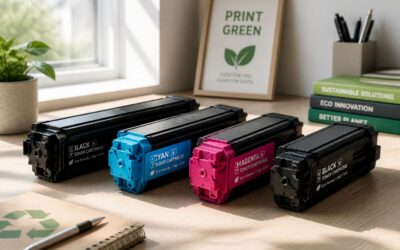
Each year, South Africa sends thousands of tons of e-waste to landfills. Among the most common contributors are toner cartridges for laser printers. These plastic and metal components can take centuries to decompose, leaking fine carbon dust and polymer residue into the soil.
Recycling prevents that outcome. A spent cartridge holds reusable steel, aluminium, and high-grade plastics. When you return units through a manufacturer programme or a local waste vendor, those materials re-enter the supply chain. This reduces the demand for virgin ore extraction and lowers the carbon footprint of future toner cartridges for South African offices.
A typical recycling loop follows a short sequence.
- Cartridges are dismantled and sorted by material type.
- Plastic housings are ground into pellets for new products.
- Residual toner powder is captured and neutralised.
Responsible recycling also aligns with the National Environmental Management: Waste Act. South African businesses that return cartridges protect water sources and communities near landfill sites.
Participating in Manufacturer Take-Back Programs
Returning spent units to the original brand is a practical step many offices skip. Take-back programs from printer manufacturers accept toner cartridges for free or with prepaid shipping. This route bypasses municipal waste entirely. At a dedicated facility, technicians separate steel, aluminium, and polymer housings.
These programs offer traceability that generic bins cannot. Recovered materials enter certified supply chains, reducing virgin ore demand. Reprocessed cartridge plastic retains structural value, keeping quality consistent.
A standard take-back flow:
- Schedule a collection.
- Sort and shred plastics.
- Neutralise toner powder.
South African manufacturers run these schemes under the Waste Act. For OEM users, this disposal method requires little effort.
Refilling vs. Recycling Options
The choice between refilling and recycling toner cartridges for your office carries different consequences. Refilling replenishes the powder supply while preserving the original housing, useful for cartridges with low page counts. Recycling surrenders the unit to a reclaim facility, where it is dismantled for steel, aluminium, and polymer recovery.
Consider the distinction:
- Refilling keeps the cartridge whole and functional.
- Recycling breaks it down for raw material extraction.
- Refilling suits premium OEM builds; recycling handles damaged or exhausted units.
Both approaches extend the material lifespan. The right option depends on the cartridge’s condition and your workflow. A crushed frame cannot be refilled. A lightly used cartridge would be wasteful to recycle.
Donating and Reusing Cartridges
Offices discard countless cartridges each year. I have seen functional units tossed aside because nobody knew what else to do with them. That is a shame! A cartridge that cannot be refilled or recycled may still suit a local charity or school. Many South African organisations accept toner cartridges for their printers. Model verification comes first. Donating keeps the unit out of a landfill.
For cartridges beyond repair, eco-friendly disposal matters. Some retailers provide drop off bins. Municipal waste facilities handle e-waste. Cartridges should never go into regular rubbish bins.
Reuse programs recover plastics and metals from damaged units. This process uses less energy than making new materials.

0 Comments