Retail Drop-Off Locations
Office Supply Stores
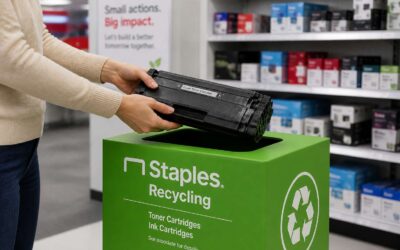
Many South African shoppers overlook the office supply store as an endpoint for spent cartridges. These retail drop off locations accept what other depots refuse. The search for where toner cartridges can be recycled often leads to municipal facilities, but the answer sits closer, inside everyday stationery shops.
Chains like Office National, Waltons, and Contempo maintain collection bins near their entrances. Some franchises partner with local remanufacturers to return empties to the economy.
Here is what these stores typically collect:
- Original cartridges from HP, Canon, Epson, and Samsung
- Remanufactured units still holding residual toner
- Plastic packaging and chip boards, depending on the branch
The convenience is the draw. You drop off while buying paper and printer ink. No appointment. No forms. Just a civic-minded gesture folded into an ordinary errand. That accessibility makes office supply stores a practical answer to where toner cartridges can be recycled, particularly in suburbs where dedicated e waste centres are scarce.
Electronics Retailers
Electronics retailers occupy a different position in the recycling chain. While office supply stores collect incidental empties, outlets like Incredible Connection and Hi-Fi Corp operate under formal take back agreements with distributors. The plastic casing of a cartridge returns to the same logistics network that delivered the original printer. This circularity determines where toner cartridges can be recycled.
These drop off locations are not always marked. Collection bins sit near customer service counters, sometimes behind the repair desk. Staff process returns in batches, sending them to accredited recyclers. Typically accepted items include:
- Sealed and opened cartridges from major brands
- Toner drums with residual powder
- Cartridge packaging for reuse
Most South African shoppers buy a printer and a cartridge in the same store but never connect the two acts. Handing over a depleted cartridge at the point of purchase forces that connection. Disposal becomes a matter of proximity rather than intention.
Big-Box Superstores
Hypermarkets move more product in a single weekend than a speciality shop does in a season, yet their recycling stations are discreet. A shopper pushing a trolley past the customer service kiosk at Makro or Checkers may miss the slim collection slot entirely. It sits where refunds and repairs are processed, not where purchases are made.
The distinction matters. These superstores do not run their own take back programmes. They lease floor space to accredited e-waste handlers, so the cartridge enters a different logistics pathway. Common drop off points include:
- Customer service counters at major hypermarket chains
- Standalone recycling kiosks near the store entrance
- Stationery aisles with designated collection boxes
For the everyday buyer, this is where toner cartridges can be recycled without a dedicated trip. The bin sits next to the till point, holding the same broken headphones and dead batteries that customers hand over without a second glance.
Manufacturer Take-Back Programs
Free Return Shipping Labels
Dignity has a price, and in the case of manufacturer take back programs, that price is often a courier’s polite knock at your door. Most printer brands provide free return shipping labels when you register the cartridge online. The label arrives by email, you print it, and the recycling is handled without further effort. This is where toner cartridges can be recycled without leaving your desk.
The social etiquette of these programs deserves attention:
- Some brands expect you to use the original box, so keep it.
- Others accept third party cartridges, but verify first.
- A few offer loyalty points, a small reward for your civic-mindedness.
The manufacturer who created the cartridge should be the one to dismantle it. Their return label is an admission of responsibility, and I find that rather elegant.
Brand-Specific Recycling Portals
Most manufacturers maintain their own recycling portals, and these manufacturer websites are surprisingly thorough. They tell you exactly where toner cartridges can be recycled in your province, often listing certified collection partners alongside helpful disclaimers.
HP’s Planet Partners program runs through designated drop-off locations in South Africa. Canon’s equivalent offers similar coverage, though eligibility shifts depending on your model. Epson’s portal links to a network of participating retailers.
A few useful features to check on these portals:
- Whether your specific cartridge model is accepted
- Whether the collection point is a permanent fixture or a periodic pop-up event
- Whether you need to register before your first visit
The information hides under the ‘sustainability’ tab. Digging through the menus usually works. For anyone asking where to send their empties, the brand portal remains the most direct answer.
Multi-Brand Drop-Off Points
There is a particular joy in dumping a bag of mixed cartridges on a counter and walking away without filling in a single form. Multi-brand drop-off points make this possible. They accept empties from several manufacturers in one visit, which spares you the brand-by-brand sorting that portal hunting usually requires.
These locations appear in surprising places: courier depots, stationery shops, and occasionally the front desk of a sympathetic office block. You hand over the bag, someone counts or weighs it, and you leave. The sorting happens later, behind the scenes.
- Whether they accept every brand or just the common ones
- Whether there is a minimum quantity threshold
- Whether the drop-off is permanent or a monthly collection event
That last point catches people off guard. A permanent sign does not always mean permanent service. Still, for the casual recycler with a mixed drawer of empties, these points are often where toner cartridges can be recycled with the least preparation.
Toner Cartridge Mail-Back Envelopes
When a cartridge reaches its end in your office, the manufacturer may already have a route for its remains. Take-back programs often arrive as a pre-paid mail-back envelope, tucked inside the packaging of your new unit. You seal the old shell, drop it at a South African post office, and the journey ends without a single trip to a depot.
- Some programs demand a minimum order before sending the envelopes.
- Others let you request them online for free, complete with tracking numbers for peace of mind.
For printer fleets, certain OEMs supply bulk collection drums or courier pickups, though these are typically reserved for businesses with high monthly volumes. The quiet convenience of these systems makes them a strong answer for where toner cartridges can be recycled, especially when your preferred brand offers the service directly.
Local Government and Community Options
Household Hazardous Waste Facilities
South African municipalities increasingly host household hazardous waste facilities that accept spent toner cartridges. These facilities operate under strict environmental protocols, ensuring that residual toner powder does not contaminate local water tables. Residents can locate their nearest facility through municipal waste management portals or by contacting their local ward councillor.
Many of these facilities hold collection events on specific weekends, where residents can drop off materials that do not fit into standard kerbside bins. Some locations also accept:
– Toner cartridges from laser printers
– Inkjet cartridges
– Toner drums and waste toner bottles
These community-based programmes are essential for smaller towns where commercial recycling centres are scarce. For those asking where toner cartridges can be recycled, the municipal facility remains the most accessible answer. Municipal staff can confirm where toner cartridges can be recycled within your district.
Curbside Recycling Collection
Your local municipality may offer curbside recycling collection, but don’t assume that shiny blue bin accepts toner residue. In South Africa, most kerbside programmes restrict e-waste, yet a handful of forward-thinking councils now supply separate bags or bins for small electronics. Before you toss that cartridge in with the milk jugs, check your municipality’s waste schedule.
Some curbside schemes include:
- Toner cartridges placed in a sealed plastic bag
- Inkjet cartridges attached to a cardboard backing
- A dedicated “small e-waste” container collected monthly
These collections answer where toner cartridges can be recycled without you driving anywhere. They are not universal, so confirm with your local ward councillor. Municipal apps often list collection dates and acceptable materials. This is the least glamorous, most convenient solution for suburban recyclers.
Community Collection Events
Community collection events hide in plain sight on your municipal calendar. They surface quarterly, sometimes annually, at a civic centre or a school parking lot. The acceptance criteria vary with each gathering, which makes them a puzzle worth solving. Some events accept only brand-name cartridges, while others take any plastic shell you carry.
For residents tracking where toner cartridges can be recycled, these events offer a reliable, if sporadic, answer. Bring your cartridges in a sealed bag to avoid leaks. I have watched volunteers sort them with surprising speed.
A typical event accepts:
– Laser toner cartridges
– Inkjet cartridges
– Drum units
These gatherings are not glamorous, but they serve a practical purpose. Check your local ward councillor’s social media. The next date might be closer than you think!
Library and Civic Center Drop-Boxes
South African municipal libraries and civic centres hold a quiet answer for where toner cartridges can be recycled. A modest drop box often sits near the entrance, though signage can be sparse. I spotted one at a Pretoria library only after asking at the information desk.
These bins accept standard toner units but rarely take inkjet refills. The criteria are usually printed on the slot face. Before you drop off, scan the list:
- laser and toner cartridges only
- no plastic bags
- maximum of three per visit
Knowing where toner cartridges can be recycled makes these civic fixtures more useful. They are unglamorous, but they offer a steady, daily alternative for the working professional. Just remember the bin may be emptied once a month, so do not wait for the last minute.
Local Zero-Waste Alliances
Local zero-waste alliances offer a community driven answer to where toner cartridges can be recycled. These coalitions, led by activists and residents, build recovery networks beside municipal systems. They keep their own collection schedules and track every cartridge that moves through their hands.
One Durban alliance turns a church hall into a monthly recovery hub. Residents bring used cartridges, and volunteers sort them by brand and condition. Some units go to remanufacturers, others to certified recyclers. The alliance publishes a quarterly register of where toner cartridges can be recycled across the province.
Their intake rules are refreshingly direct:
- Original manufacturer cartridges only
- Chips and drums intact
- No third-party compatibles
Some alliances push local councils to fund permanent depots. Johannesburg’s southern suburbs now have three such stations, staffed by trained volunteers and open every Saturday.
Mail-In and Specialty Recycling Services
Dedicated Toner Recycling Companies
South Africa’s office parks generate tons of spent toner, yet dedicated recycling companies turn this refuse into raw material. I have watched a Johannesburg facility transform bins of cartridges into plastic pellets! Firms like Cartridge Care SA offer prepaid courier boxes that you fill at your desk. Their machinery separates plastic, metal, and powder, then routes each fraction to local manufacturers. One Durban operation recycles 40 tons annually. Mail in services eliminate drop off guesswork. For multiple branches, request a bulk collection. The process unfolds in three steps: order a collection kit online, seal used cartridges, then schedule a courier pickup. They also audit your waste stream for sustainability reports. Many managers ask where toner cartridges can be recycled, but these specialists exist for that question. They handle everything without municipal systems, so you always know where toner cartridges can be recycled.
Charity Fundraising Recycling Programs
South African charities have discovered a reliable revenue stream in spent toner. One Cape Town school network collects cartridges from local businesses and converts the payout into library books. The system works because mail-in and specialty recycling services handle the logistics.
You register your organization, request a prepaid box, and fill it at your own pace. The charity receives a per-unit rate, while you receive a receipt that confirms where toner cartridges can be recycled. Each program tells you plainly where toner cartridges can be recycled and what happens after collection.
Typical charity programs include:
- Schools gathering cartridges from parent networks.
- Churches and community groups using courier collections.
- Nonprofits that resell cartridges to refurbishers.
I have seen a Durban hospice earn R4,000 in a single quarter from this method.
Prepaid Shipping Box Programs
Prepaid shipping box programs solve the logistics of responsible disposal. You request a box online, fill it with spent cartridges, and schedule a courier pickup. The box arrives with a prepaid label, so the cost is already covered.
These services often partner with refurbishers who grade each unit. Some cartridges get remanufactured, while others are broken down for raw materials. You never need to leave your office, making this route ideal for small businesses.
- Request a prepaid box from the provider’s website.
- Seal the box once full and attach the included label.
- Leave it for collection at your chosen time.
This method answers where toner cartridges can be recycled without requiring you to sort or clean anything. Just pack and send, then track the confirmation certificate for your records.
Business and Bulk Recycling Solutions
Office Supply Vendor Pickups
Corporate procurement managers rarely think about cartridge disposal until the storeroom overflows. For businesses generating substantial waste, the most practical answer to where toner cartridges can be recycled often sits with your existing office supply vendor. Many major suppliers in South Africa operate dedicated pickup routes for bulk returns. They deliver fresh stock and collect the empties on the same visit, a simple reverse logistics loop.
The process is straightforward. Your vendor provides collection bins or sturdy boxes. When full, you schedule a pickup through your account portal or by phone. The vendor handles the rest:
– Transport to a certified recycling facility
– Documentation for environmental compliance reporting
– Refurbishment or material recovery of spent units
This eliminates transport costs and administrative hassle. Some vendors extend this service to small and medium enterprises, not just large corporations. Check your contract terms or ask your account manager directly.
Managed Print Service Providers
Managed print service providers (MPS) offer a systematic route for bulk cartridge recycling. They monitor your print infrastructure and schedule collections based on actual usage. This solves the storage problem and clarifies where toner cartridges can be recycled for your entire operation.
In my experience, these providers assume contractual responsibility for spent units. They consolidate waste from every printer into single runs, then issue compliance documentation. For firms with large fleets, this creates auditable accountability.
A standard MPS recycling relationship includes:
- Usage-based pickup schedules
- Material recovery reporting
- Secure chain of custody
They also refurbish cartridges within your own print loop, cutting new purchases. The service fee often covers recycling costs. Ultimately, MPS delivers a definitive answer for where toner cartridges can be recycled at scale.
Bulk Shipping Container Programs
One security firm in Sandton fills a 200 litre drum every six weeks. That is the scale where bulk shipping container programs start to make sense. Instead of coordinating dozens of small mail backs, a business receives a dedicated container from a recycling partner and simply fills it over time. I have seen offices underestimate how fast these containers fill.
These programs answer where toner cartridges can be recycled for companies generating serious volume. The recycler handles freight, processing, and documentation. Typical arrangements include:
- Container delivery and collection on demand
- Sorting by brand and model at the facility
- Certificate of recycling for each pickup
The container occupies a corner of the warehouse. It costs nothing upfront. You pay per kilogram or per pickup, which keeps accounting simple.
Certified E-Waste Recyclers
Most offices do not realise their toner cartridges are classified as e-waste! That classification triggers legal obligations under South Africa’s waste regulations. Certified e-waste recyclers hold the accreditation to prove proper handling.
These facilities answer where toner cartridges can be recycled at scale. They dismantle, sort, and process materials under audited conditions. I watched one certified recycler in Johannesburg log every cartridge into a digital tracking system. Nothing leaves the building without a documented destination.
The practical benefits for businesses:
- Certificate of recycling for each batch
- Secure data destruction for printer memory
- Compliance records for environmental audits
That level of accountability matters when auditors come calling.


0 Comments