What is a toner cartridge and how it works
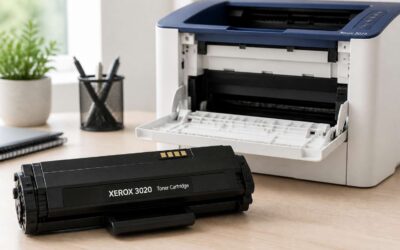
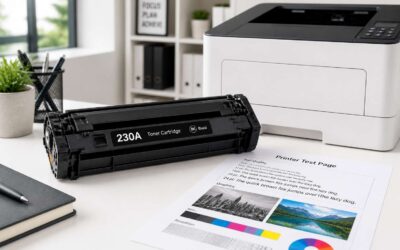
What is a toner cartridge and what does it do?
A typical black-and-white toner cartridge in South Africa prints about 2,000 pages—handy for planning. If you ask where is the toner cartridge, the answer depends on your printer model.
Inside sits toner powder and an imaging drum. The printer charges the drum, transfers toner to paper, then heat fuses it to the page for permanence.
What it does is simple: it turns dry powder into clear text and sharp images. Worn cartridges cause faded marks and gaps.
- Toner powder
- Imaging drum
Key components inside a toner cartridge
In South Africa’s bustling offices, a single cartridge quietly shoulders the tempo of the day — a workhorse capable of roughly 2,000 pages per cartridge, depending on use. For many, the question “where is the toner cartridge” invites a tour of a compact, high-precision chamber behind the printer lid.
Inside, three central players share the stage: toner powder, the pigment heart; the imaging drum, a quiet singer of an electrostatic tune; and the charger roller, a conductor guiding the flow, answering that perennial “where is the toner cartridge” question. The trio orchestrates a transfer to paper, then heat fuses the moment into permanence.
- Toner powder
- Imaging drum
- Charger roller and transfer belt
Seamlessly, the result is text and imagery that endure—fidelity that makes the page feel alive, even as demands rise. This is the unseen glamour behind every desk, the hidden engine that keeps South Africa’s offices moving.
Toner types and yields explained
In South Africa’s bustling offices, a single toner cartridge can print about 2,000 pages, quietly powering everyday productivity. A precise powder holds the promise of letters and images, and heat fuses them into lasting pages.
Different environments demand different toners. Standard black keeps costs predictable; high-yield variants stretch print runs, while color cartridges tackle graphics with consistent quality.
- Standard yield cartridges: typical page coverage around 2,000 pages
- High-yield cartridges: extended lifespans for busy seasons
- Color cartridge sets: cyan, magenta, yellow, and black for full-tone documents
When you wonder where is the toner cartridge, look behind the printer lid—there, it quietly powers every meeting, report, and memo. Its design balances powder, transfer, and fuse steps into a seamless workflow.
Difference between OEM and compatible cartridges
A toner cartridge is more than a spare part; it’s the quiet engine behind crisp documents. Inside sits dry toner powder and a charged drum that attracts the powder to paper. When the fuser seals the image with heat, letters and graphics become durable pages. In a busy South African office, that simple mechanism keeps meetings, memos, and reports moving with steady consistency.
Where is the toner cartridge in practice? The OEM option, crafted by the original printer maker, guarantees exact fit and predictable colour. Compatible cartridges, produced by trusted third parties, offer savings but can vary in print consistency and sensor compatibility. The choice hinges on model support and warranty terms. If you wonder where is the toner cartridge, it’s tucked behind the printer lid, ready to power the next briefing.
- Model compatibility and sensor features
- Page yield consistency across batches
- Warranty and return policies
Where to check inside a printer for the cartridge
Safety first: powering down and opening panels
In South African offices, the moment a print job stalls is a test of patience and precision. The mind circles the same question as a printer hums low: where is the toner cartridge? The answer, when found, restores a fragile balance.
Safety first: powering down and opening panels signals respect for the machine and for the hands that operate it. The cartridge sits in a guarded bay, often tucked behind a subtle door, waiting for a calm, careful inspection rather than hurried fiddling.
With the right lens, the inner workings reveal a tangible logic—the pathway from cartridge to print becomes understandable, not mysterious. A reader learns to treat the device as a system rather than a nuisance, and the workflow returns with confidence.
Locating the cartridge in common printer layouts
In a bustling South African office, a stalled print job can feel like a small crisis with outsized consequences. “Every page is a small dream,” a colleague might whisper as the room hums. One quiet, stubborn question rises from the murmur: where is the toner cartridge. The answer, found beyond the glass and hinges, returns calm to the room.
I find the cartridge hiding in a guarded bay behind a panel, waiting for a calm inspection rather than a hurried poke.
Common layouts offer a map of where to look:
- Front-access bays beneath a modest door
- Top-loading slots favored by all-in-one models
- Side-entry compartments in compact laser printers
These configurations keep the cartridge tucked away, yet accessible to the trained eye.
When the inner map clicks, the device reveals its logic; the pathway from cartridge to print becomes legible, not mystifying, and the workflow returns with confidence. The question where is the toner cartridge becomes a guide rather than a mystery.
How to read cartridge labels and part numbers
South Africa’s bustling offices know the drill: a stalled print can derail a deadline. “Where is the toner cartridge?” a weary teammate asks, and the room settles into quiet method—because the answer lives inside the device, waiting for a calm, unhurried look.
Inside, there are a few zones to consider without joining an accidental jam: front panels, top-load slots, or side compartments cradle the cartridge. A quick visual map helps this moment feel almost ceremonial.
- Front-panel release latch
- Cartridge cradle or sled
- Protective covers or seals to remove
Reading labels is the compass. Expect a model number, a part number, and color or compatibility codes. The characters on the sticker align with the printer’s family, saving you from guilty mismatches the moment the paper starts to dance.
Signs a cartridge is installed correctly
In South Africa’s bustling offices, roughly one in three printer hiccups trace to a cartridge not seated properly. The inside of the device hides the answer: ‘where is the toner cartridge’—a calm, methodical check reveals it. Zones around the cartridge cradle wait for careful inspection.
- Check that the cartridge seats with a firm, even resistance when you push gently.
- Ensure the printer reads Ready or OK and that status lights calm down.
- Look for no unexpected noises, leaks, or new error messages after reseating.
Signs it’s installed correctly include consistent print quality, smooth feeds, and a lid that closes with effortless certainty.
What to do if you can’t find the cartridge
In South Africa’s bustling offices, roughly one in three printer hiccups trace to a cartridge not seated properly. So, where is the toner cartridge? The answer lurks inside the chassis, where the cradle and rails form a quiet lattice that holds the cartridge in place. A calm, methodical glance at the slot, the contact pads, and the seals often reveals the truth—tilt, misalignment, or a latch left ajar can cast a shadow over even the sharpest prints.
- Cradle region and rails
- Seals, gaskets, and the slot edges
- Electrical contacts and indicators
If the cartridge remains elusive, the path forward lies in reference to the device’s manual or trusted service support—the hidden truth awaits a patient observer rather than a hurried poke.
Model-specific cartridge locations
Laser printers: where the cartridge sits
Industry data show up to 25% of printer troubles begin with cartridge seating. When you ask where is the toner cartridge, you’re probing the model’s design DNA—the hidden home of the imaging process. In laser printers, that home changes by make and model, so a one-size-fits-all answer won’t do.
- Front-access panels on most standard laser printers reveal the cartridge with a simple swing-down door.
- Side doors in compact office units slide the cartridge in along the drum axis.
- Some all-in-ones give top covers for quick replacement without removing the entire case.
- High-volume machines often place the bay at the rear for service access and toner carousels.
For South Africa readers, these patterns show up across brands common here—HP, Canon, and Brother—with surprising consistency. Knowing the model-specific cartridge location reduces downtime and keeps work flowing.
Color vs monochrome laser locations
Offices that move with purpose know one truth: the cartridge is a doorway to productivity. In laser printers, the exact home of the toner is a design fingerprint that varies by make and model. When you ponder where is the toner cartridge, you’re reading the machine’s DNA rather than a map.
Color laser printers often place the cartridge path along the front or side with a wide door for quick swaps; monochrome machines may tuck the bay near the rear for efficiency and service access. The result is a spectrum of layouts that defy one-size-fits-all guidance.
- Color models frequently favor front-access panels for visible installation.
- Monochrome units lean toward rear bays to speed high-volume replacement.
- All-in-ones balance top covers for minimal disassembly.
For South Africa readers, HP, Canon, and Brother mirror these patterns, making model-specific knowledge a quiet superpower in the office.
Inkjet printers: cartridges vs printheads location
In South Africa’s busy offices, the average inkjet sees about two cartridge swaps a month. If you’ve muttered where is the toner cartridge you’re chasing a misnomer—inkjets don’t use toner; they use cartridges, and some models house the printhead inside the cartridge itself while others keep the head on the printer chassis.
Model-specific cartridge locations vary by brand and generation. Canon often outfits front-access bays where you swap cartridges and head together; Epson may keep the printhead separate from the cartridge, so you’re replacing different components; HP and Brother vary but typically emphasize straightforward front-door access.
- Canon: front-load cartridge with integrated head
- Epson: detachable head carriage with separate cartridges
- HP/Brother: varied layouts, front-door access common
All-in-one and compact models: typical placement
All-in-one and compact printers trim the internal footprint, placing the cartridge in front-access bays or compact drawers for quick swaps. If you’re asking where is the toner cartridge, you’re not alone—these designs prize accessibility and speed.
Models vary by maker, but the thread is clear: front-door or tray-based access is common in smaller units. The cartridge bay in compact designs is often a small module that slides out with one hand, while some all-in-one systems use a single, integrated cartridge unit you swap in one motion.
- Front-door access that reveals the cartridge with a simple lift or swing
- Slide-out trays located on the front or side for easy replacement
- Integrated cartridge modules in tight all-in-one designs for quick swaps
These layouts reduce downtime and keep busy South African offices moving with minimal fuss.
Replacement tips and compatibility
Replacing a cartridge step-by-step
The moment the printout looks washed out, the hunt begins: where is the toner cartridge hiding in your printer? In bustling South African offices—from Cape Town to Joburg—the cartridge sits at a predictable angle, ready to be coaxed into action with a careful touch and a patient pause.
Replacement tips and compatibility matter: first verify the cartridge type matches your model, then handle it with clean hands to avoid smudges. When it’s time to replace, aim for a snug seal and a proper seating to avoid future leaks.
- Check model numbers on the printer and cartridge to ensure compatibility.
- Handle components by edges, avoiding contact with the drum or toner.
For a step-by-step flow, follow the general arc: power down, open the access panel, release the old cartridge, align and insert the new one, then close and test a page. Easy to manage and keeps your workflow humming along.
Choosing the right cartridge for your model
Across South Africa’s bustling offices—from Cape Town to Joburg—the moment a printout looks washed, the hunt begins. If you’re wondering where is the toner cartridge, the answer is often tucked behind the access panel in the printer’s interior bay, waiting for a patient pause and a careful touch. Replacing it isn’t dramatic; it’s a measured act that keeps your workflow humming when deadlines loom.
Replacement tips and compatibility hinge on respecting the model and the machine’s rhythm. Beyond fit, consider these anchors:
- Cartridge type versus model compatibility
- Labeling and part-number verification
- Seating integrity and seal quality
Treat this swap as a moment of calibration, and your team’s output will stay crisp and reliable.
Understanding compatibility and cross-reference guides
Office life in South Africa moves at a brisk tempo—about 40% of print issues trace to mis-matched cartridges. When a page comes out washed, the culprit isn’t always the printer—it’s compatibility gone awry. If you’re asking where is the toner cartridge, the answer is usually behind the access panel, waiting for a patient pause and a careful touch.
Understanding compatibility isn’t filler; it’s the difference between crisp lines and muddy ghosts. Cross-reference guides help separate OEM from reliable compatibles without turning procurement into a scavenger hunt.
- Consult manufacturer cross-reference guides for model compatibility
- Assess seating integrity and seal quality to prevent leaks or print defects
- Note any model-specific warnings in the official spec sheet
Treat this moment as a calibration check, and your team’s output stays sharp—no drama, just steady productivity.
Installing, priming, and testing after replacement
In SA offices, 40% of print issues trace to mis-matched cartridges. If you’re asking where is the toner cartridge, it’s usually behind the access panel, waiting for a patient pause and a careful touch. Replacement isn’t a mystery when compatibility guides are treated as maps and not myths.
After installing, priming, and testing after replacement, focus on three non-negotiables:
- Model compatibility confirmed with cross-reference guides
- Seals and seating integrity visually checked
- Output quality aligns with expected density
Maintaining this calibration keeps pages crisp and offices productive—no drama, just reliable performance.
Storage and handling tips to prevent damage
Replacement and compatibility are quiet rituals that keep the printer singing. For many offices, where is the toner cartridge becomes a quiet question resolved by cross-reference guides and careful seating checks. A patient touch on seals and a clean surface preserves density and prevents needless returns to the stockroom. When this calibration holds, the office breathes a little easier.
Storage and handling considerations to prevent damage often go unseen until a page misprints.
- Keep cartridges in their original packaging until use.
- Store in a cool, dry place away from direct sunlight and moisture.
- Handle cartridges by the ends, avoiding contact with the drum or seals.
These tiny rituals echo the broader dream: care in the smallest things shapes a day.
Troubleshooting, maintenance, and FAQs
Common toner-related issues and fixes
In South Africa’s busy offices, printers are dramatic by design. The perennial question behind a stubborn page is simple: where is the toner cartridge? A veteran technician once quipped, “the device tells you more about the desk than your emails ever will.”
Troubleshooting centers on symptoms, not blame. Common issues include streaks, ghosting, or specks. Quick diagnostics that crop up in support chats:
- Streaks or uneven density
- Ghosting or double images
- Excess toner specks
Maintenance thrives on steady habits: treating cartridges with respect and choosing reliable supplies matters. FAQs surface as tidy reminders:
- where is the toner cartridge located in your model?
- Can I mix brands and yields?
Knowing placement and compatibility preserves print quality and workplace charm.
Toner spills: clean-up and safety
In South Africa’s bustling offices, a toner spill can momentarily steal the show from a deadline. Troubleshooting begins with composure: power down, unplug, and seal off the spill zone. If you’re asking, where is the toner cartridge, pause— safety comes first, then locate the source with care. Gently sweep loose powder with a dry cloth and finish with a HEPA vacuum, avoiding anything that whirls powder back into the air.
Maintenance thrives on ritual. Store cartridges upright, cap them securely, and keep the printer area dust-free with a soft, lint-free cloth. After each session, a swift wipe-down and a quick test print preserve pristine density and keep office vibes buoyant rather than brittle.
FAQs around toner spills map a safer path:
- Do not rinse or spray water on a dry powder spill; use a damp cloth or a toner-safe wipe instead.
- Sealed disposal: place cleanup materials in a bag and follow local regulations for toner waste.
- After cleanup, inspect seals and run a dry test to ensure no stray particles cling to the page.
Maintenance to extend cartridge life
Troubleshooting in a bustling SA office rewards calm, clear thinking. Deadlines loom, but a measured assessment clears the fog. If you’re wondering where is the toner cartridge, locating the source with curiosity helps preserve air quality and momentum. A mindful approach minimizes disruption while tracing the print path for clues.
Maintenance blossoms from simple rituals: a dust-free workspace, secure caps, and a gentle reminder that longevity comes from consistency. A quiet, regular upkeep helps preserve density and performance so your pages stay crisp and professional, even as business pace quickens.
- Storage orientation and secure caps
- Dust-free printing area and soft cleaning
- where is the toner cartridge in common layouts?
FAQs about maintenance highlight longevity through environment, consistency, and signs of wear. where is the toner cartridge in common layouts often guides upkeep expectations.
Frequently asked questions about toner cartridges
In the hum of a busy SA office, troubleshooting becomes a quiet art. A recent industry poll found that 62% of printer problems in busy workplaces trace to overlooked habits. When printers cough or prints drift with pale bands, a calm mind sees patterns rather than problems. If you’re asking where is the toner cartridge, you’re tracing habits of focus and airflow.
Maintenance blossoms from small rituals: a clean desk, caps snug on their housings, and a steady rhythm of gentle checks that keep density crisp. The goal isn’t an instant fix but consistent care that preserves performance as the day quickens.
FAQs about longevity surface when we consider environment, routine, and wear. They remind readers that small choices compound, shaping print quality over months and years in South Africa’s offices.
- Signs of wear and when to notice a shift in density
- Impact of storage conditions on cartridge life
- Common layouts and how components align


0 Comments